
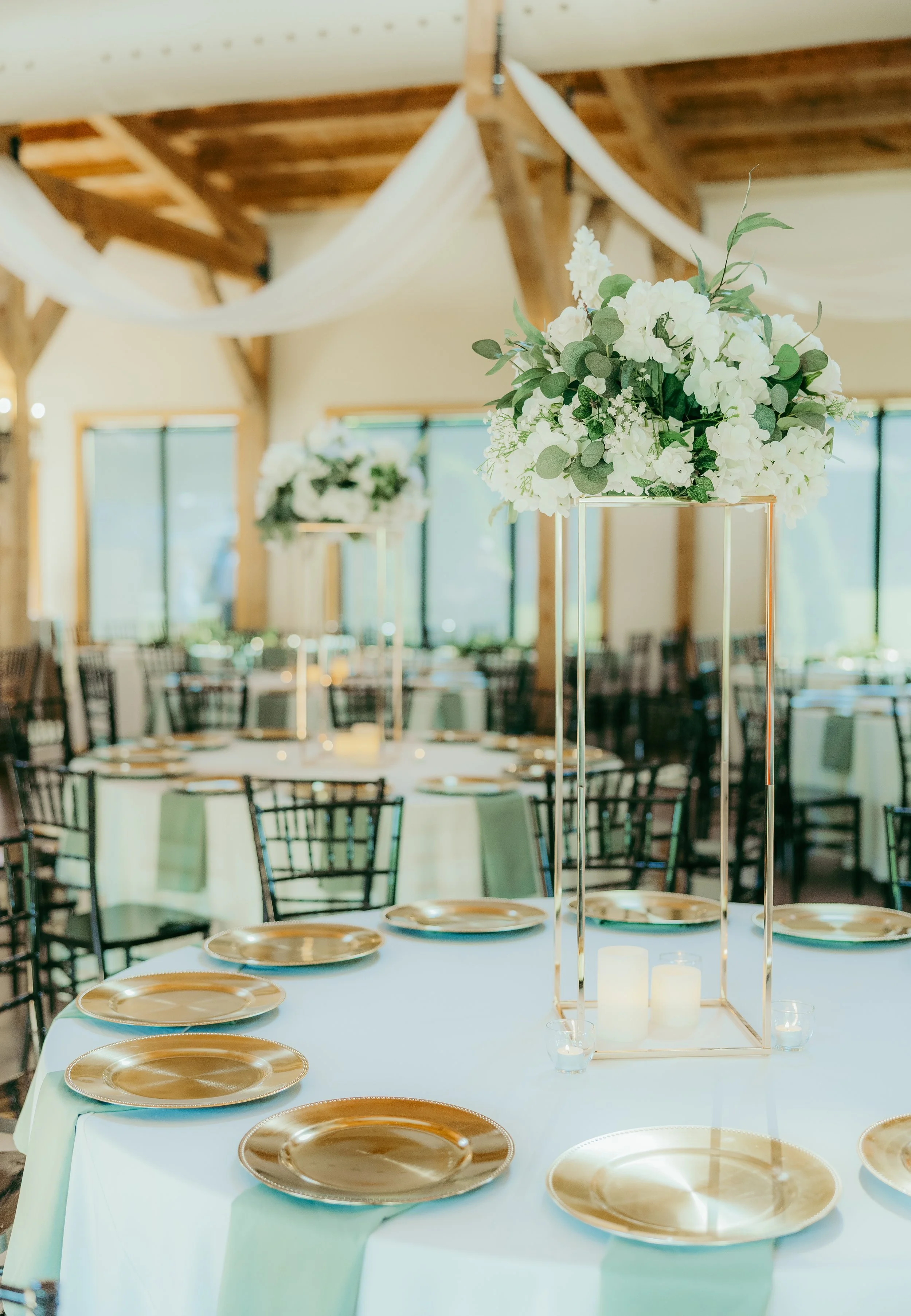
When planning your wedding reception, deciding where everyone will sit might not seem like a major decision.
Some couples prefer to let guests choose their own seats, while others spend time creating a detailed seating chart. Both approaches can work, but the way you handle seating can affect more than just where your guests eat dinner.
From guest experience to catering and reception setup, there are a few things worth considering before deciding whether to assign tables or leave seating open.
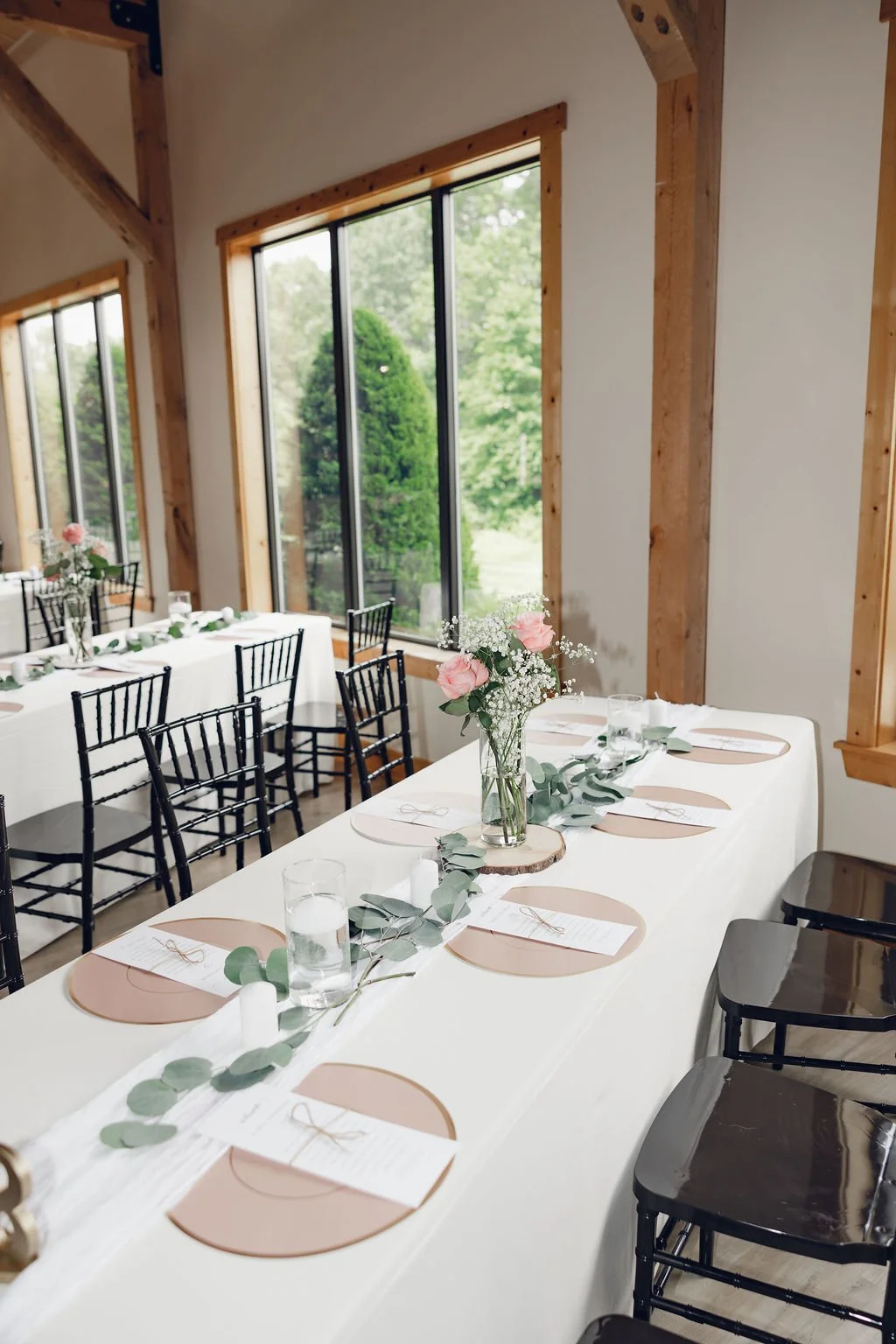
Open Seating: Letting Guests Choose
Open seating gives guests the freedom to sit wherever they'd like without assigned tables or seats.
While this might seem like the easiest option, it can create challenges once guests begin finding their places.
Couples and families may have difficulty finding enough seats together, guests who don't know many people may feel unsure where to sit, and tables can end up with scattered empty chairs that make it difficult for larger groups to stay together.
Open seating tends to work best for smaller, more casual receptions where guests are familiar with one another.
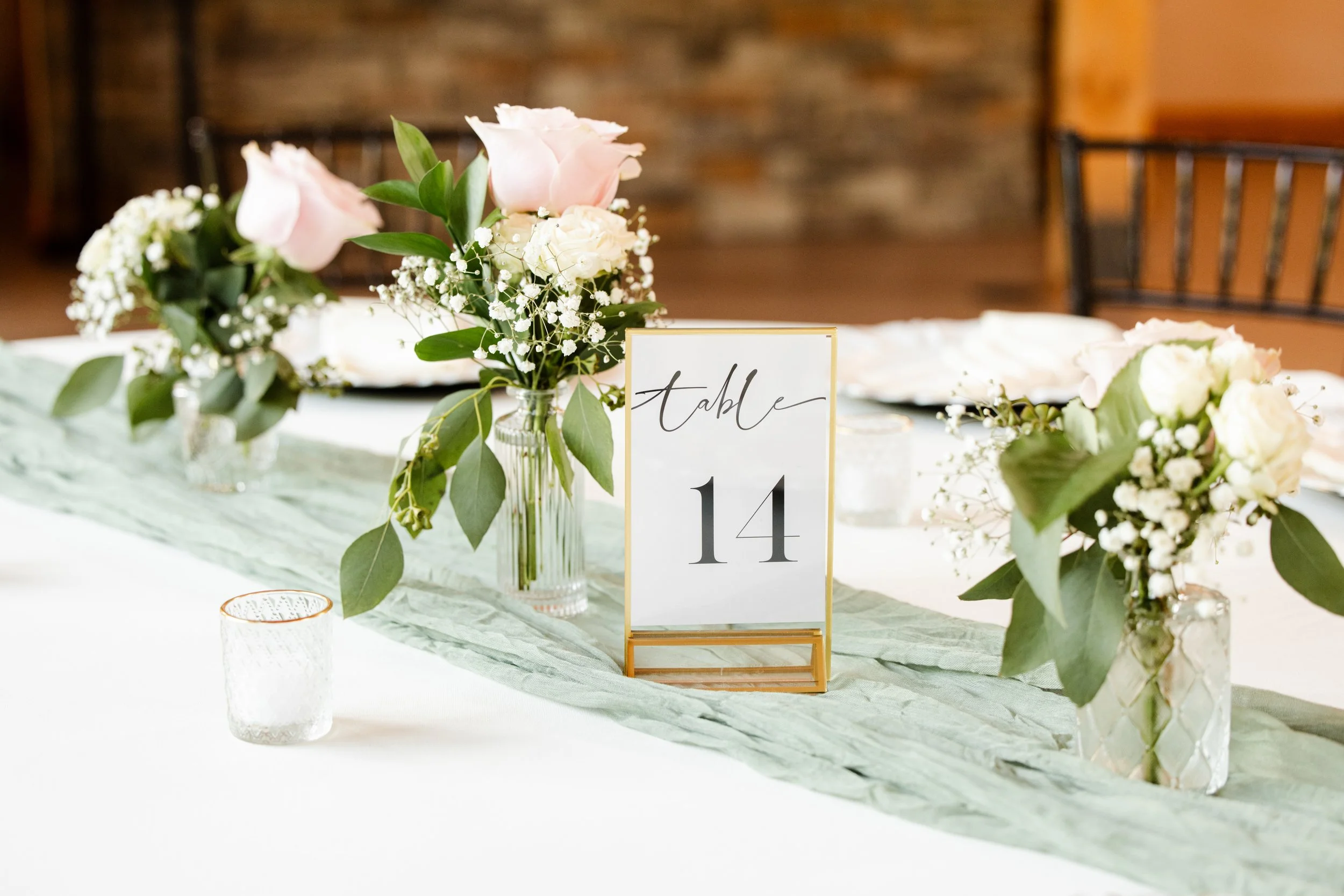
Assigned Tables: A Happy Medium
Assigned tables allow couples to decide which group of guests will sit together without choosing everyone's exact seat.
Guests simply find their table number on a seating chart or escort card and choose an available chair at that table.
This approach helps keep families and friend groups together while still giving guests some flexibility.
It also makes the transition into dinner smoother because everyone knows where they're supposed to go.
For most weddings, assigned tables offer a great balance between organization and flexibility.
Assigned Seats: When More Detail Matters
Assigned seating takes things one step further by giving every guest a specific chair at their table.
This is especially helpful for plated dinners when catering staff need to know exactly where each meal should be delivered.
It can also be useful when accommodating dietary restrictions, organizing formal seating arrangements, or making sure certain guests have specific locations.
However, assigned seats require additional planning, including place cards and an accurate seating chart.
If your reception includes a buffet or family-style meal, assigning individual seats may not be necessary.
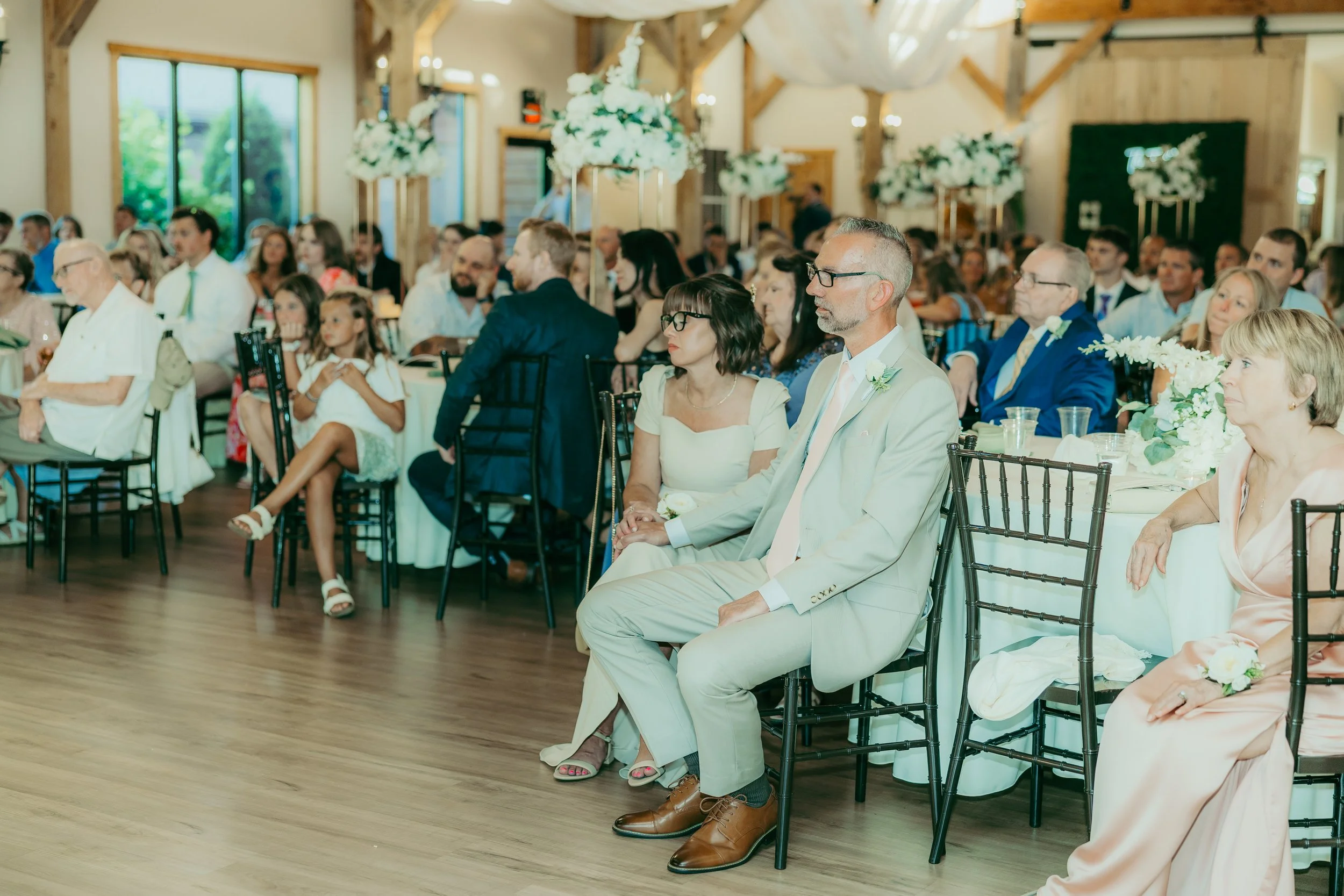
Think About Your Guests' Experience
Your seating plan should make guests feel comfortable and welcomed.
Consider keeping families together, seating friends with people they know, and making sure guests attending alone have a welcoming group to join.
It's also important to think about elderly guests or those with mobility concerns. Seating them near accessible walkways, restrooms, or away from loud speakers can make the evening more comfortable.
A little thought during the planning process can prevent confusion when everyone enters the reception.
How Seating Affects Your Reception Setup
Your seating decisions also affect how your reception space is prepared.
Assigned tables allow your venue team to arrange the room based on your guest count and seating chart. They can also help your coordinator and caterer understand how guests will be distributed throughout the space.
No matter which option you choose, your final guest count, table layout, and seating arrangements should be communicated clearly before the wedding.
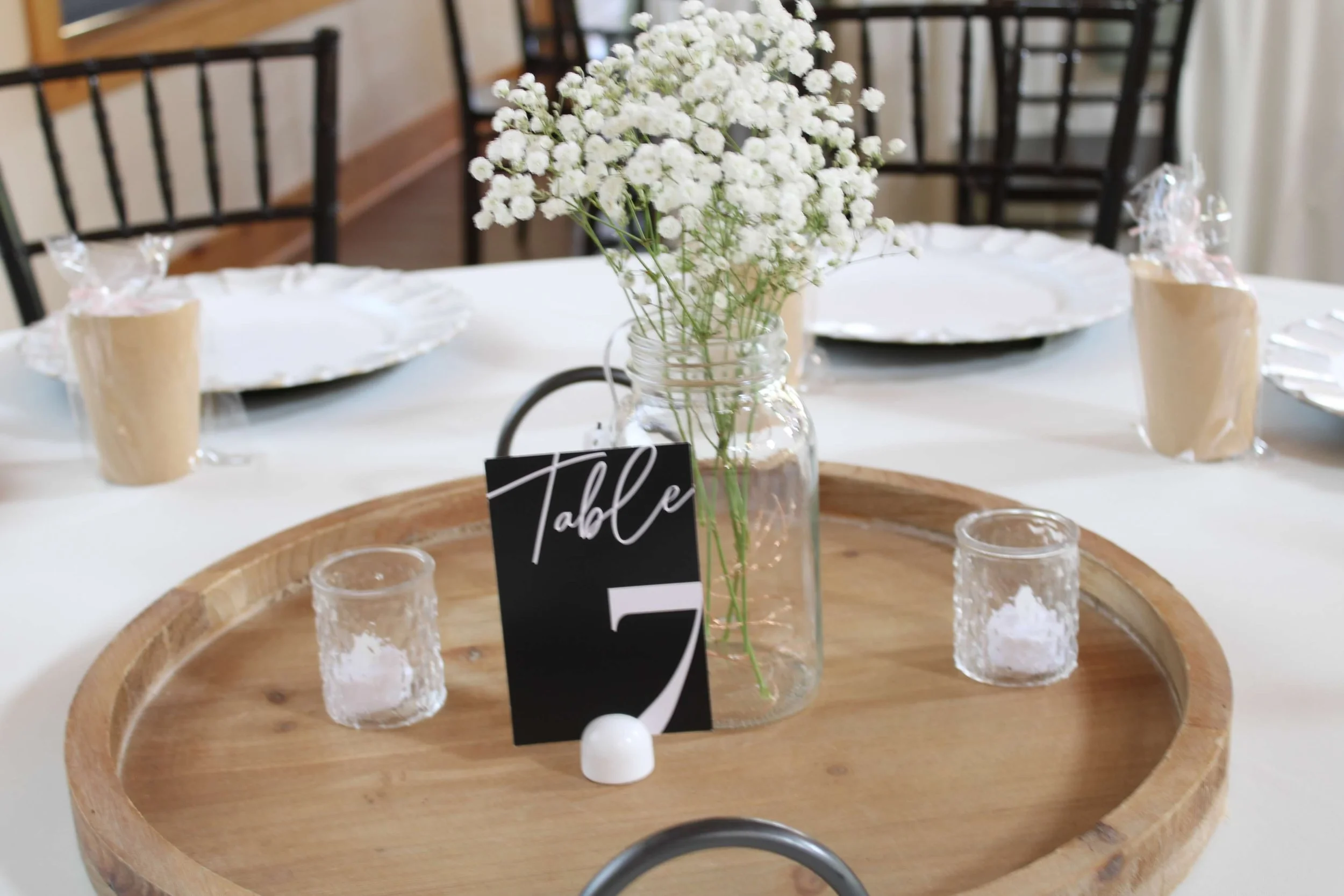
Planning Your Seating at The Heartland Lodge
At The Heartland Lodge, wedding coordination and reception setup are included in your venue experience.
Our team helps couples work through their reception layouts, table arrangements, and other logistical details that impact how the evening flows.
While your seating chart is ultimately your decision, we generally encourage couples to consider assigned tables.
It creates a more organized experience for guests and helps make the transition from cocktail hour into the reception easier.
So, Do You Really Need Assigned Tables?
Not every wedding needs assigned seating, but having a plan for where guests will sit can make a bigger difference than you might expect.
Open seating may work for your celebration. Assigned tables offer structure without being overly formal, while assigned seats provide the most organization for plated meals and specific seating needs.
The goal isn't to control where everyone sits. It's to make sure your guests can find a place, feel comfortable, and enjoy the celebration without unnecessary confusion.
A little extra planning before the wedding can make the reception run much more smoothly once everyone arrives.